
WEMBLEY · HA0 & HA9
Mould removal: treatment, preparation and next steps
Arrange mould removal with a clear understanding of the affected materials, proposed treatment and continuing moisture concerns. This page explains the decisions before work, what a suitable scope should address and the limitations that need discussing.
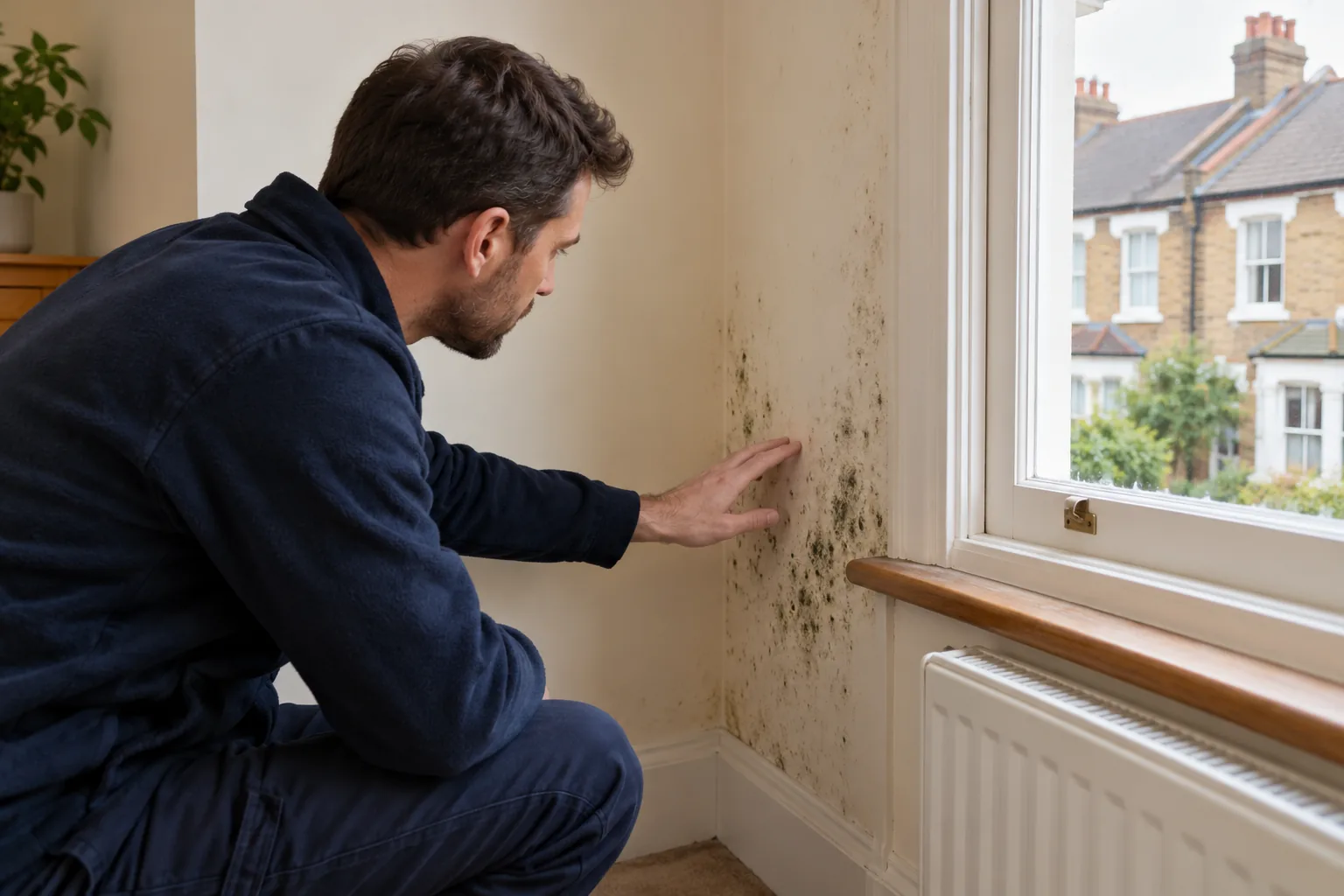
Can I arrange removal in HA0 or HA9?
Call with your Wembley postcode, affected rooms and a description of visible growth. Access, extent and the next appropriate step should be discussed before treatment is agreed.
Does removal also resolve damp?
Visible treatment and moisture control are separate decisions. An unresolved leak, damp material or recurring condensation can affect the result and may require additional investigation.
Start with the affected room
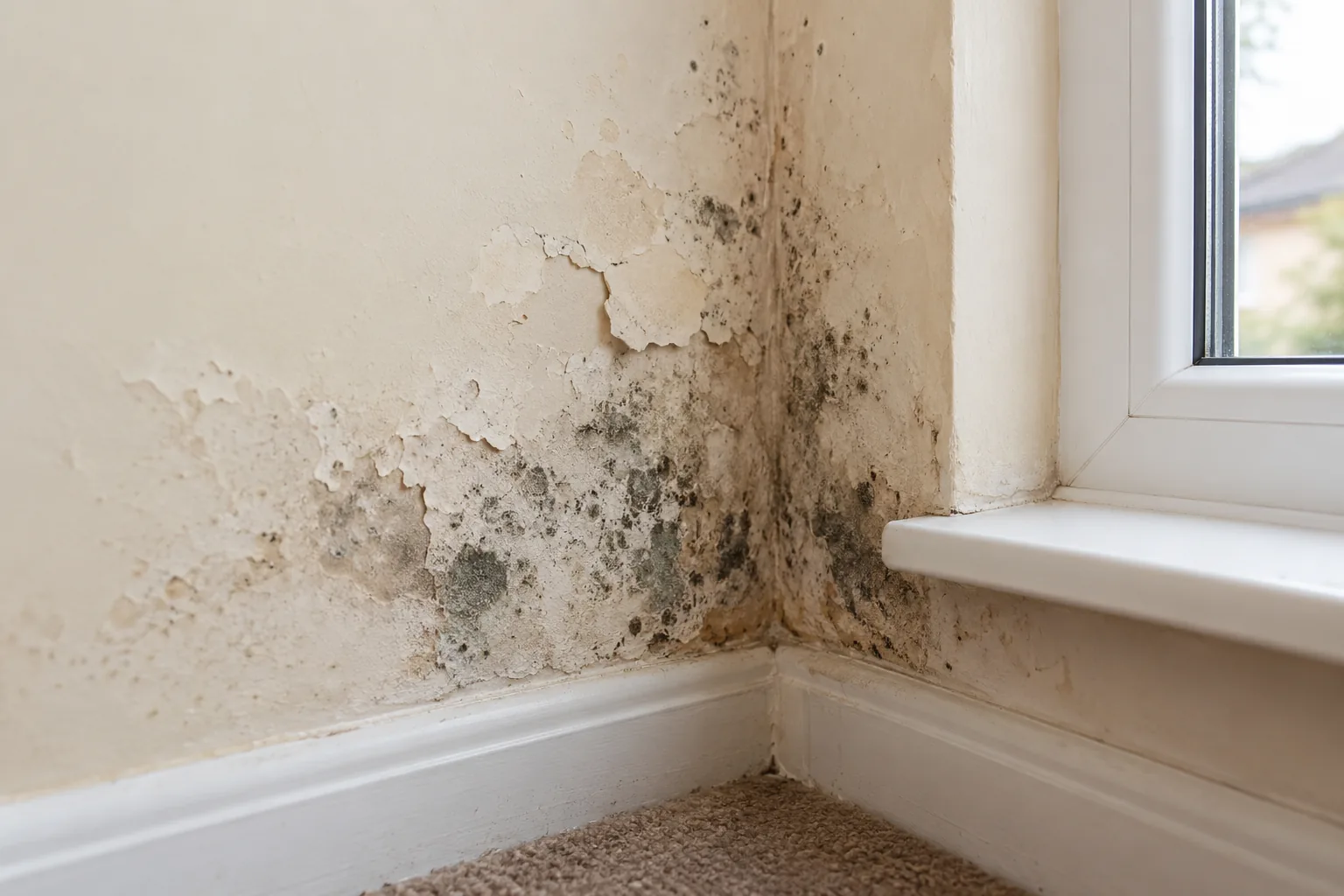
When you call, describe where growth appears, how much of the surface is affected and whether it has returned after previous cleaning. Explain whether the room is a bathroom, bedroom, kitchen or another space. The position matters: a window reveal, an outside wall and a patch below a leak do not automatically need the same response. Mention damaged finishes, wet materials and recent work. A photograph may help describe what can be seen, but it cannot establish conditions behind a finish. The initial discussion should identify the next useful step, rather than select a product or promise an outcome before assessment.
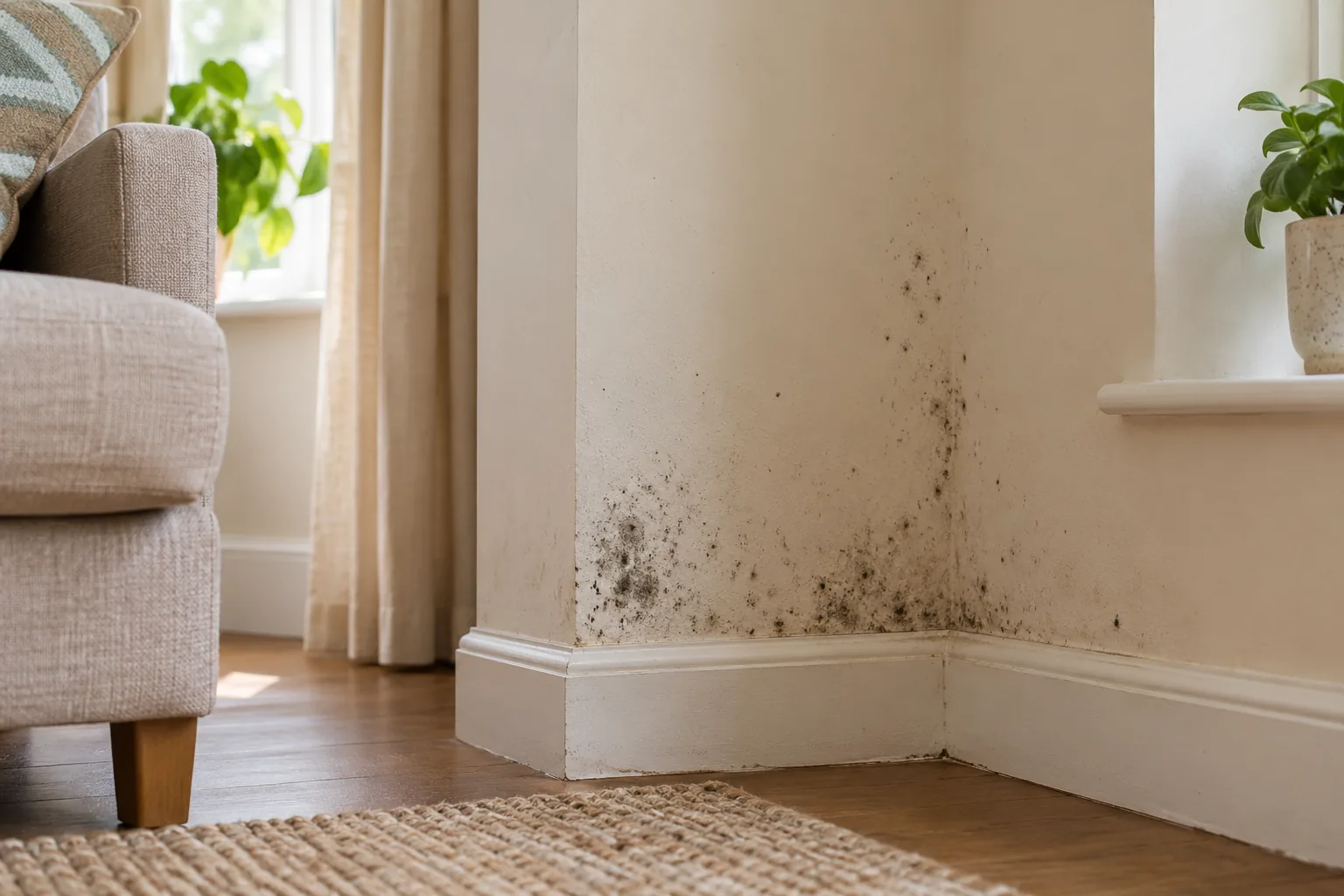
Identify the surface and its condition
Painted plaster, wallpaper, timber, tile joints and sealant have different characteristics. The underlying material can be as important as visible growth. A sound surface suitable for cleaning differs from one that is soft, flaking, swollen or persistently damp. Explain previous repainting or attempts to cover marks because this can obscure the history. Where a finish appears damaged, further work may need discussing. Do not assume every affected item can be restored by surface treatment, or that decorating is included. The proposal should state what surface is being treated and any limitation caused by its condition or previous coverings.
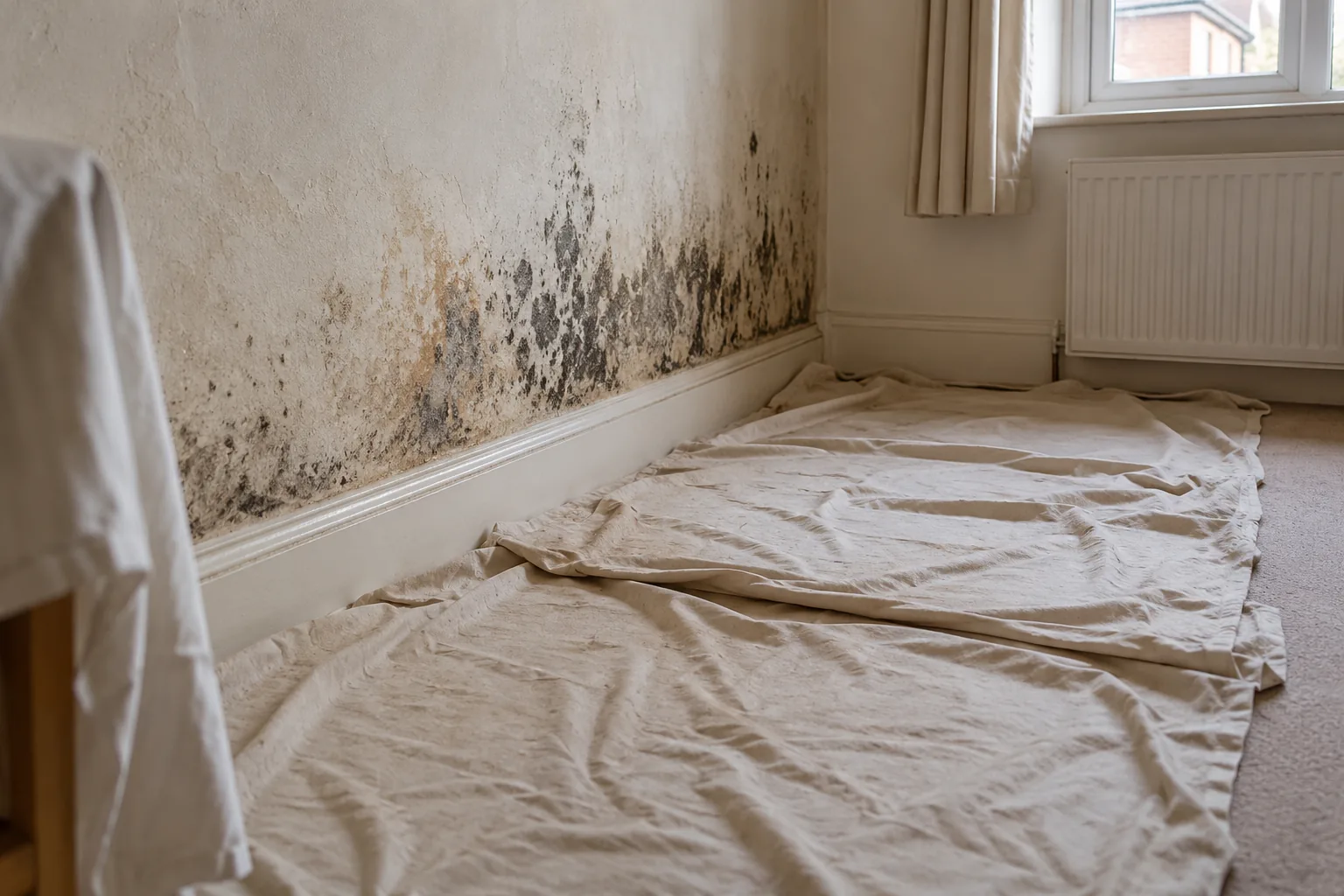
Check surrounding moisture conditions
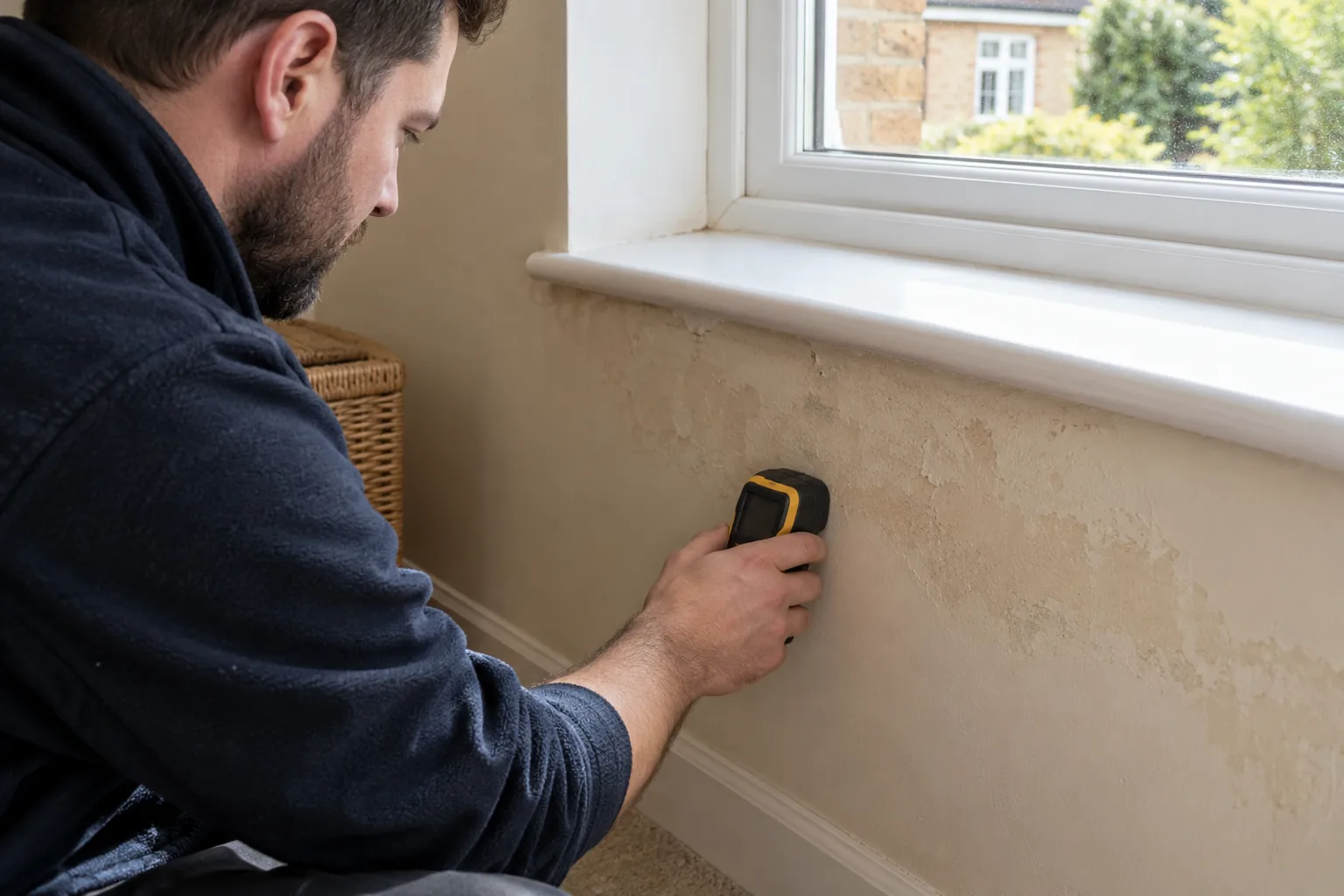
Recurring growth should prompt questions about surrounding conditions. Useful details include droplets on windows, a damp mark following rainfall, a previous plumbing leak or furniture tightly against an outside wall. The pattern needs considering rather than attributing every problem to condensation. Where the source remains uncertain, damp inspection or another agreed investigation may be needed. Measurements, if proposed, should be explained in context; a reading alone does not confirm one cause. Treatment planning should say whether moisture concerns can be assessed within the visit and which questions remain outside that scope.
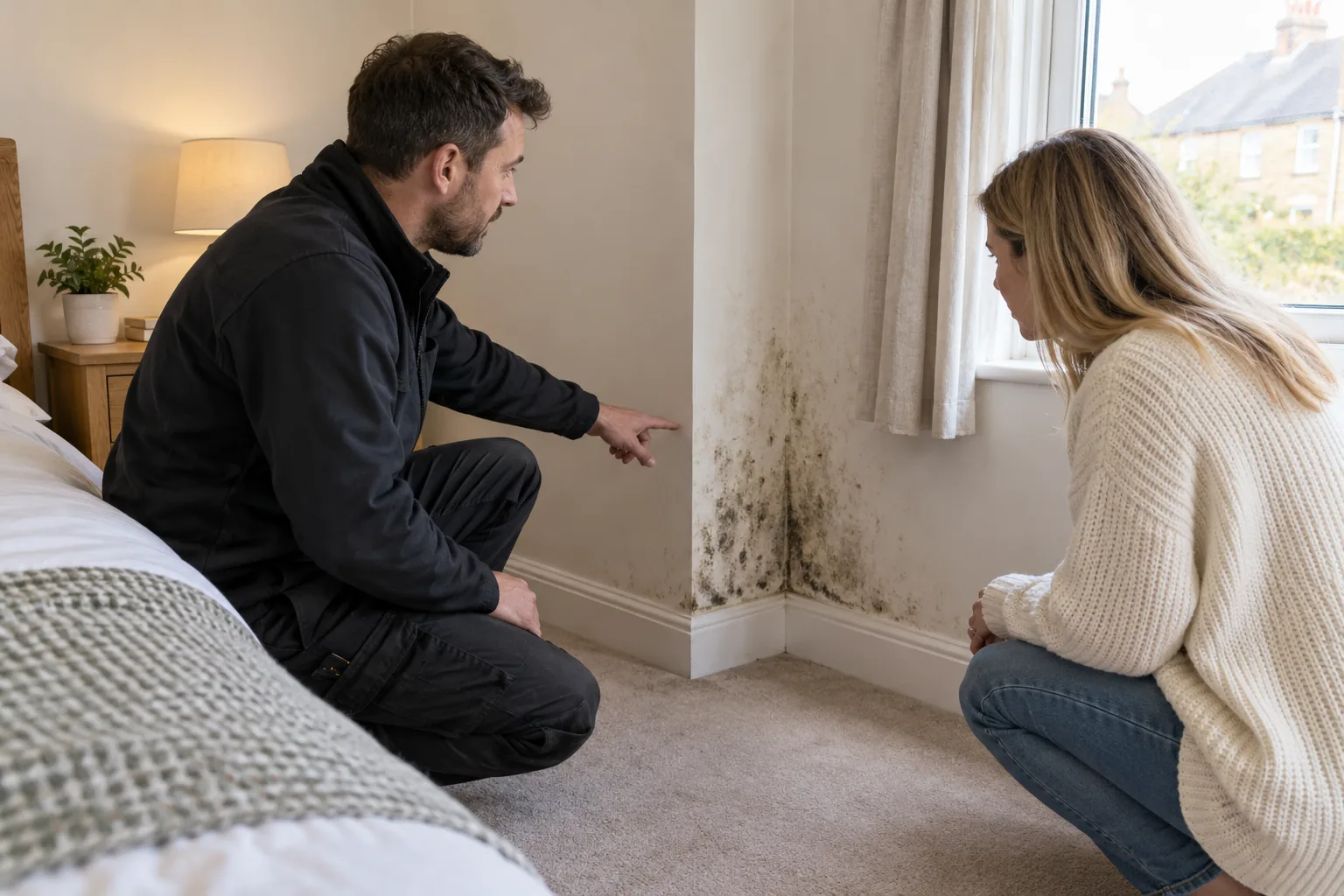
Agree the extent of the work
Before work begins, clarify the rooms, surfaces and approximate extent included. Ask whether the proposal covers assessment, preparation and treatment, and what condition the surface is expected to be left in. Staining, failed paint or damage may remain after suitable treatment, so the outcome should not be described as a guaranteed decorative finish. The proposal should identify inaccessible surfaces. Roofing, building, plumbing and redecoration work must not be assumed to form part of removal. If another contractor is needed, that recommendation should be distinguished from the work being arranged under this service.
Prepare access and belongings
Preparation should follow instructions agreed for the property. Explain whether the area is behind a wardrobe, above fixed furniture or near belongings requiring protection. Access needs discussing in advance, especially where moving heavy items would be difficult. Avoid disturbing affected finishes simply to expose more of the area before the scope is understood. Ask how the room should be prepared and whether temporary restrictions may apply during or after the proposed work. These arrangements depend on method and setting; one rule cannot cover every visit. Keep agreed instructions available for everyone using the property.
Select an appropriate treatment
Treatment selection follows assessment of material, condition and extent. The proposed method, relevant limitations and preparation requirements need confirming before use. This page does not claim a specific product, treatment system or machine because those details have not been established for your property. A suitable approach may differ between limited growth on a sound surface and damaged absorbent material. Inaccessible areas raise separate questions. If the proposed method cannot reasonably address the material, discuss the next step instead of assuming visible cleaning always provides a complete solution. Ask what result the proposal is intended to achieve.
Work against the agreed scope
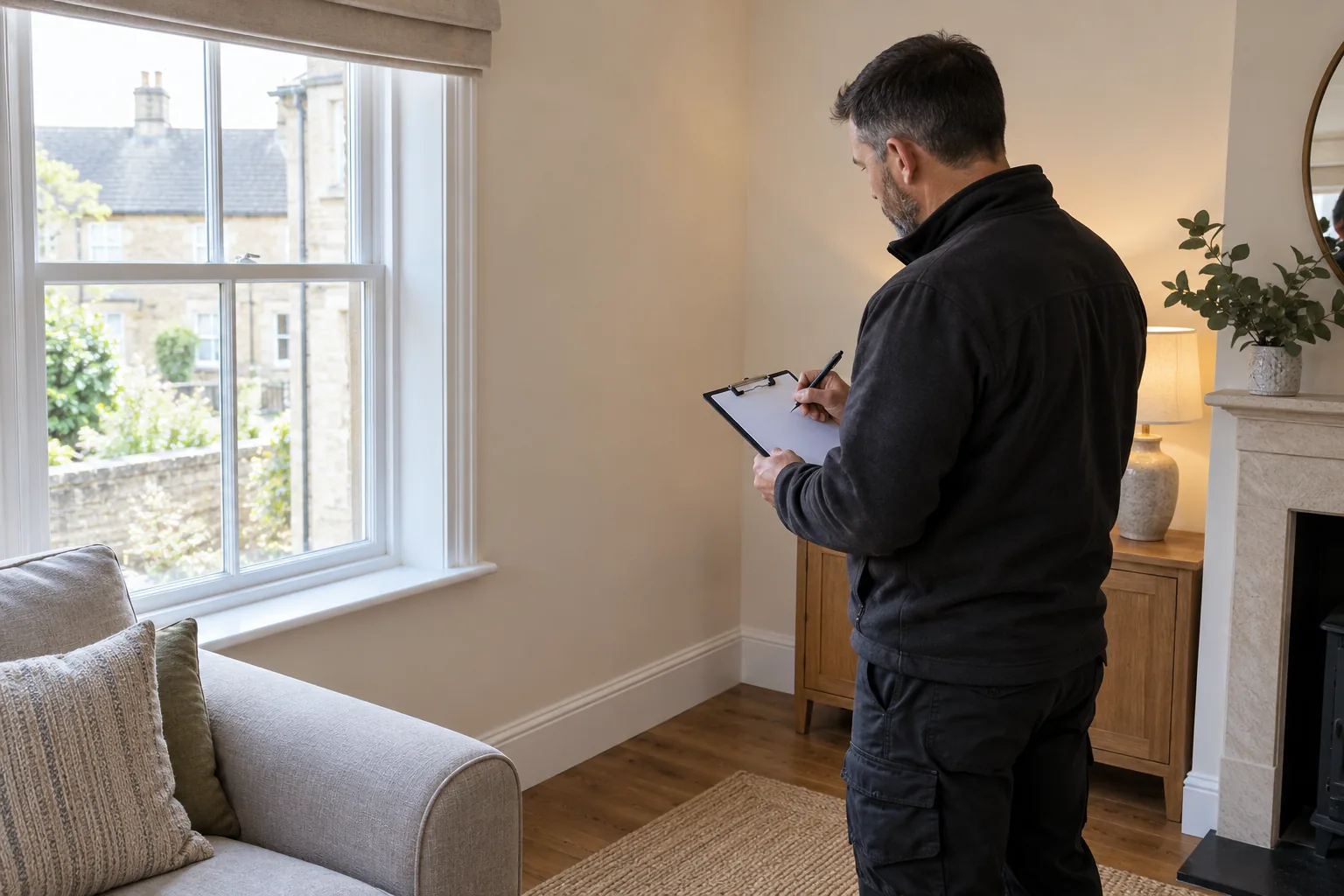
The work should remain tied to the surfaces and approach agreed. If additional affected material or a different moisture concern becomes visible, the finding and any change in scope need discussing. It does not establish that unexamined areas are clear, or rule out hidden growth elsewhere. Ask how unexpected conditions will be communicated. The service description should explain what can be addressed during the visit and what needs a separate decision. Where replacement or repairs are suggested, confirm who would undertake them. Inspection or treatment does not imply that construction or plumbing repairs are included.
Review the area after treatment
Final checks should compare the treated area with the agreed scope and identify remaining issues. Ask which surfaces were treated, which could not be accessed and whether material damage or persistent dampness remains. A cleaner-looking wall does not establish that the source of moisture has been resolved. Clarify instructions before returning belongings or arranging decoration. Suitability for painting, replacing finishes or further work depends on material conditions and the method used, so timing should be confirmed for the actual setting. Keep the scope and recommendations so later changes can be compared with the visit findings.
Address the conditions behind recurrence
Advice should relate to findings rather than promise mould will never return. Relevant actions might include reviewing airflow around furniture, investigating water entry or addressing moisture left by a leak. A condensation and ventilation assessment may be useful where room moisture and ventilation appear relevant. Separate actions you can arrange from changes requiring a landlord, manager or another contractor. If growth returns, record its position, timing and changes in weather or room use. This helps reassessment and is more useful than repeatedly covering the area without recording the pattern.
Decide whether inspection comes first
If extent, cause or material condition is unclear, discuss mould inspection before committing to treatment. This is especially relevant where growth occurs in several rooms, a finish repeatedly fails or access prevents a useful view. It does not mean every enquiry needs the same sequence. The decision should follow available information and the limits of what can be established. Explain the problem and ask what would be assessed, what result to expect from the proposed visit and which questions may remain. The scope should be clear enough to make an informed booking decision.
Decisions to clarify before arranging work
| Surface condition | Treatment consideration | Clarify first |
|---|---|---|
| Sound washable finish | Suitable surface treatment may be possible | Method and expected finish |
| Deteriorating material | Surface treatment may be insufficient | Material assessment |
| Inaccessible area | Extent remains uncertain | Access and limitations |
| Persistently wet surface | Continuing moisture affects the result | Source and treatment sequence |
| Decision point | What to confirm | Customer information |
|---|---|---|
| Before booking | Rooms and proposed scope | Locations and previous work |
| Before preparation | Access and protection | Furniture and belongings |
| After treatment | Remaining concerns | Dampness or damaged finishes |
Practical questions about this service
Can you promise mould will never return?
A permanent outcome cannot be promised from visible treatment alone. Recurrence depends on underlying conditions and any work needed to address them. Ask which moisture risks remain and what recommendations apply before interpreting treatment as a complete resolution.
Will the wall look newly decorated?
Not necessarily. Treatment and decorative restoration are different tasks. Existing staining, paint failure or material damage may remain. Confirm the expected condition of each surface and whether decorating or repairs sit outside the proposal.
Should I clean before the visit?
Ask about preparation before altering the surface. Cleaning can change the visible pattern and make its history harder to interpret. Describe what has already been applied and follow agreed preparation and access instructions.
Can removal follow a repaired leak?
Explain when the leak occurred, which materials became wet and what repair was completed. Remaining moisture and material condition need considering before treatment is agreed. A reported repair does not establish that every affected material is ready.
What if more growth appears behind furniture?
The finding should be discussed against the agreed scope. Access may reveal a different extent or material condition from the original description. Clarify whether additional assessment, revised treatment or separate work is required before assuming everything can be addressed during the same visit.
Information to prepare for the discussion
Map the treatment area: identify each surface where removal is being considered, including edges, corners and areas hidden behind belongings. Describe the approximate extent and whether the finish is sound, flaking or visibly wet. This helps define which material needs assessing before a treatment approach is selected.
List products and finishes already applied: explain previous cleaning, repainting or attempts to cover the growth. Say whether marks returned in the same position and how soon. An assessment needs the history of the surface, including any material damage that may remain after suitable treatment.
Ask about the expected finish: clarify whether the proposed work addresses contamination only and whether staining, damaged decoration or unsuitable material could remain. Agree preparation, access and any restrictions in advance. If source work is still outstanding, discuss how that affects the order of treatment and subsequent reinstatement.
Discuss the next step for your property
Call +44 20 3966 3944 with your Wembley postcode and the affected rooms. Ask what the proposed visit would examine, what can reasonably be established and which questions may remain. The scope and access requirements should be clear before arrangements are confirmed.
Photographs are generated illustrations. They do not depict verified company staff or completed customer work.