
WEMBLEY · HA0 & HA9
Condensation investigation in Wembley
Arrange a focused investigation of where moisture collects, when it appears and how room conditions may contribute. Connect observations with a practical next decision rather than assuming every wet window or damp patch has the same explanation.
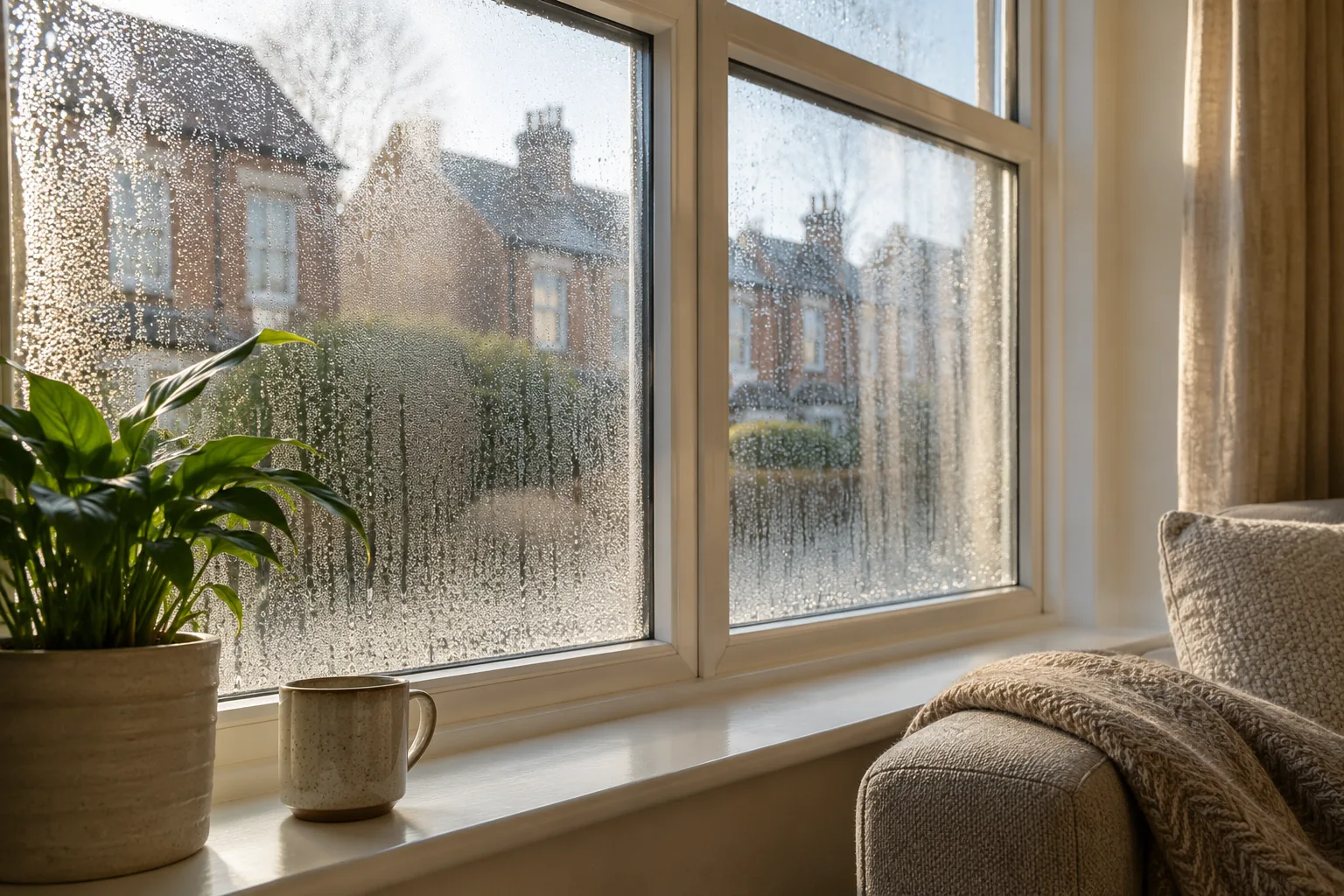
What should Wembley customers record?
Note the room, surfaces and time of day, particularly overnight droplets or moisture after bathing. Provide your HA0 or HA9 postcode and describe recurring growth.
Does window moisture rule out a leak?
No. Surface condensation can coexist with another damp concern. The frame, reveal and adjacent wall need considering, especially where wetness follows rainfall or remains localised.
Start with the timing of moisture
Explain when moisture appears and how long it remains. Morning bedroom droplets, a wet bathroom ceiling after use and a persistent outside-wall patch ask different questions. Say whether the issue is daily, seasonal or activity-related rather than assuming visible water is always caused by inadequate ventilation. A dated record can help describe the ordinary pattern. Note the room and surface without trying to create a test yourself. Photographs help show location and extent, but cannot establish moisture within material or how surface temperature compares with the surrounding air. The first discussion should identify what needs checking.
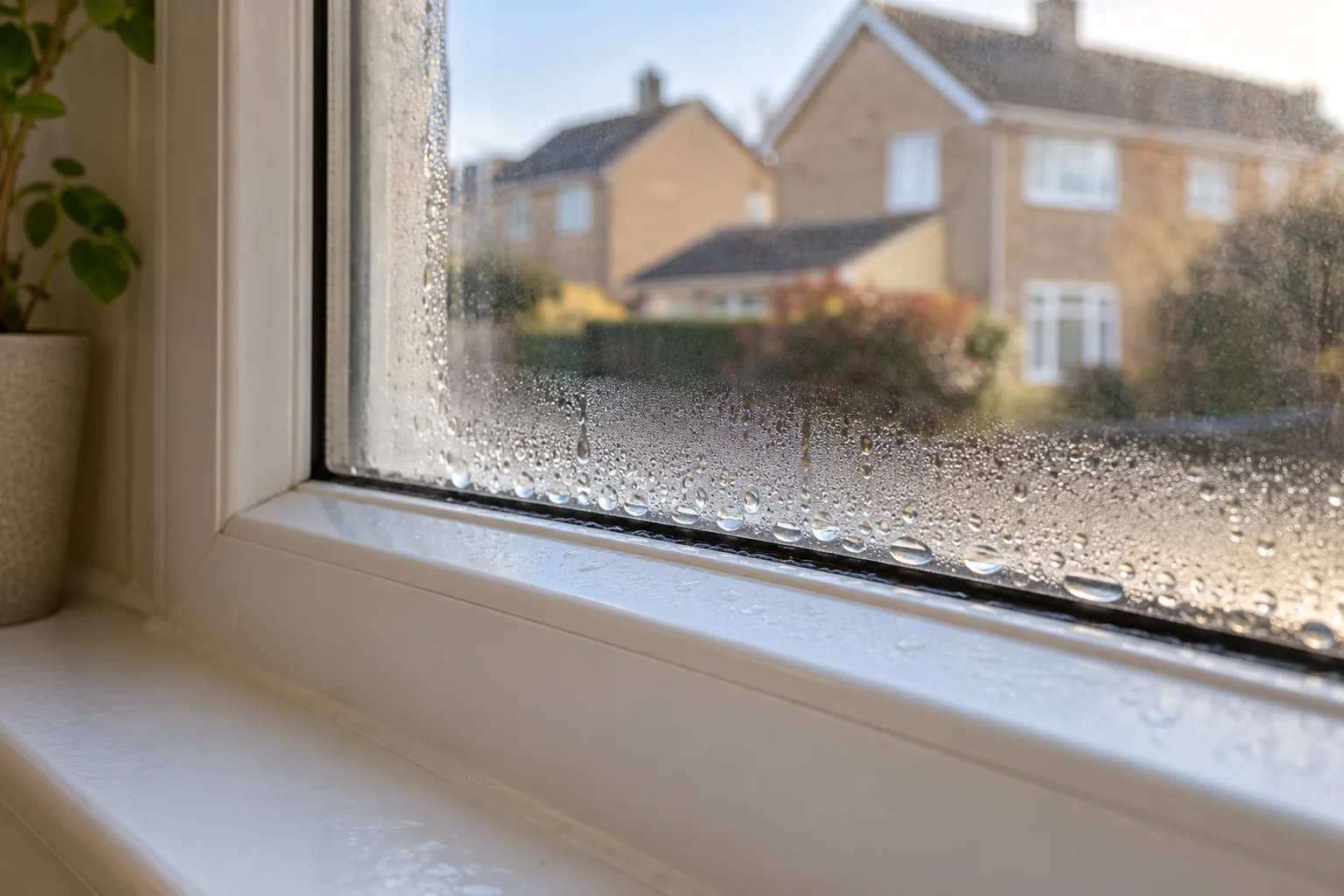
Agree the rooms and purpose
Explain whether the concern affects one window, several rooms or a patch returning after treatment. The scope should identify areas to review and the decision it will support. Mention extraction, heating or a possible leak before arrangements are agreed. Do not assume a whole-building survey, ventilation design or a guarantee about future conditions is included. If a written assessment is needed for a particular purpose, confirm that requirement before booking. The useful service is one that addresses the actual question with clear limits on what can be established from accessible evidence and the proposed checks.
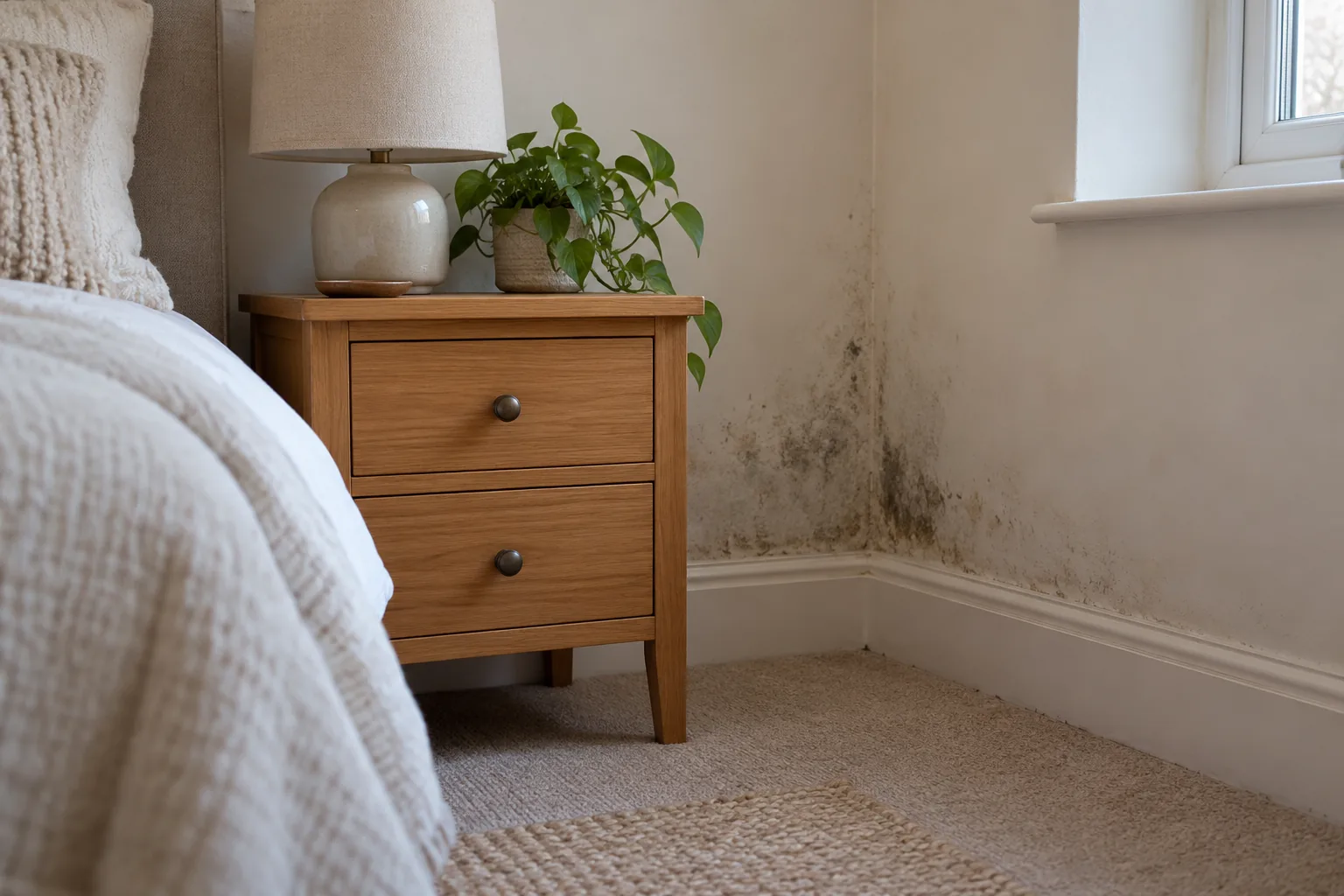
Review glazing and surrounding surfaces
Consider glass, frame, sill, reveal and adjacent wall separately. Growth along a cold edge may have a different pattern from water at a junction. Describe whether these surfaces become wet together and whether rain changes the problem. Window type or age alone does not establish a cause. Existing marks, seals and nearby material condition may need reviewing, but repair recommendations need supporting evidence. Where another source appears possible, it should remain part of the discussion. The aim is to understand the visible pattern rather than fit every observation into a single condensation explanation.
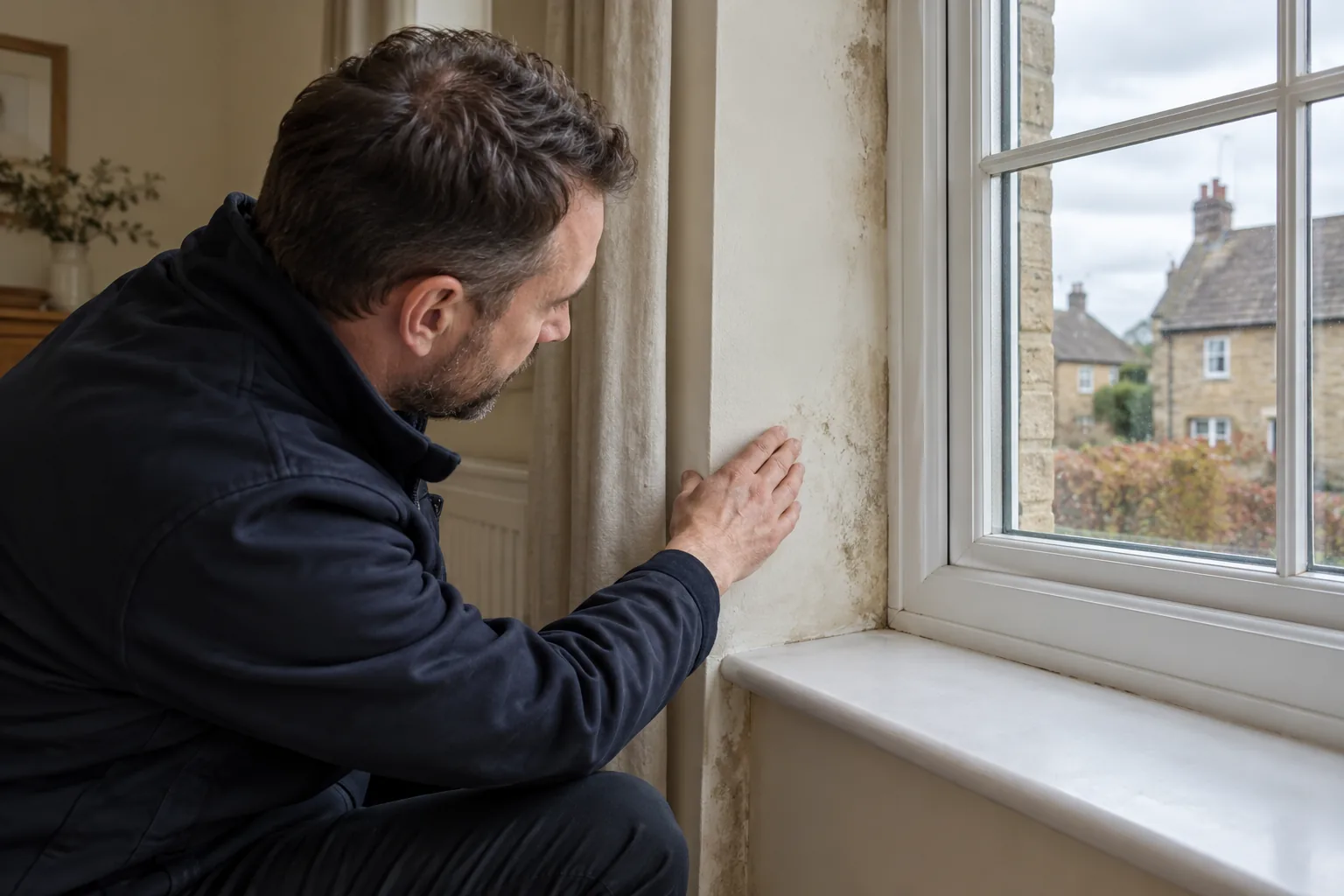
Look at cold corners and concealed edges
A wall corner, reveal and area behind furniture may have different conditions from an open internal wall. Their relationship to outside surfaces and room airflow can help frame questions about local wetness. The investigation should consider layout and access. Explain furniture positions and whether the room is heated or used differently from neighbouring spaces. These details are relevant without establishing fault or a cause by themselves. Recommendations should connect an observation to a practical action, identify what the action is intended to influence and state what remains uncertain about materials or the property fabric.

Interpret humidity in context
Humidity varies with occupancy, activities and outside conditions. Where measurements are proposed, ask where and when they will be taken and how they relate to the visible problem. One reading is a moment in time, not a complete account of conditions throughout a day. The check needs a purpose. Comparing rooms can be useful; repeated observations may be more relevant for an intermittent issue. No particular logging system or instrument is claimed here. Any monitoring method, duration and output should be confirmed before relying on it to explain the pattern or judge a proposed improvement.
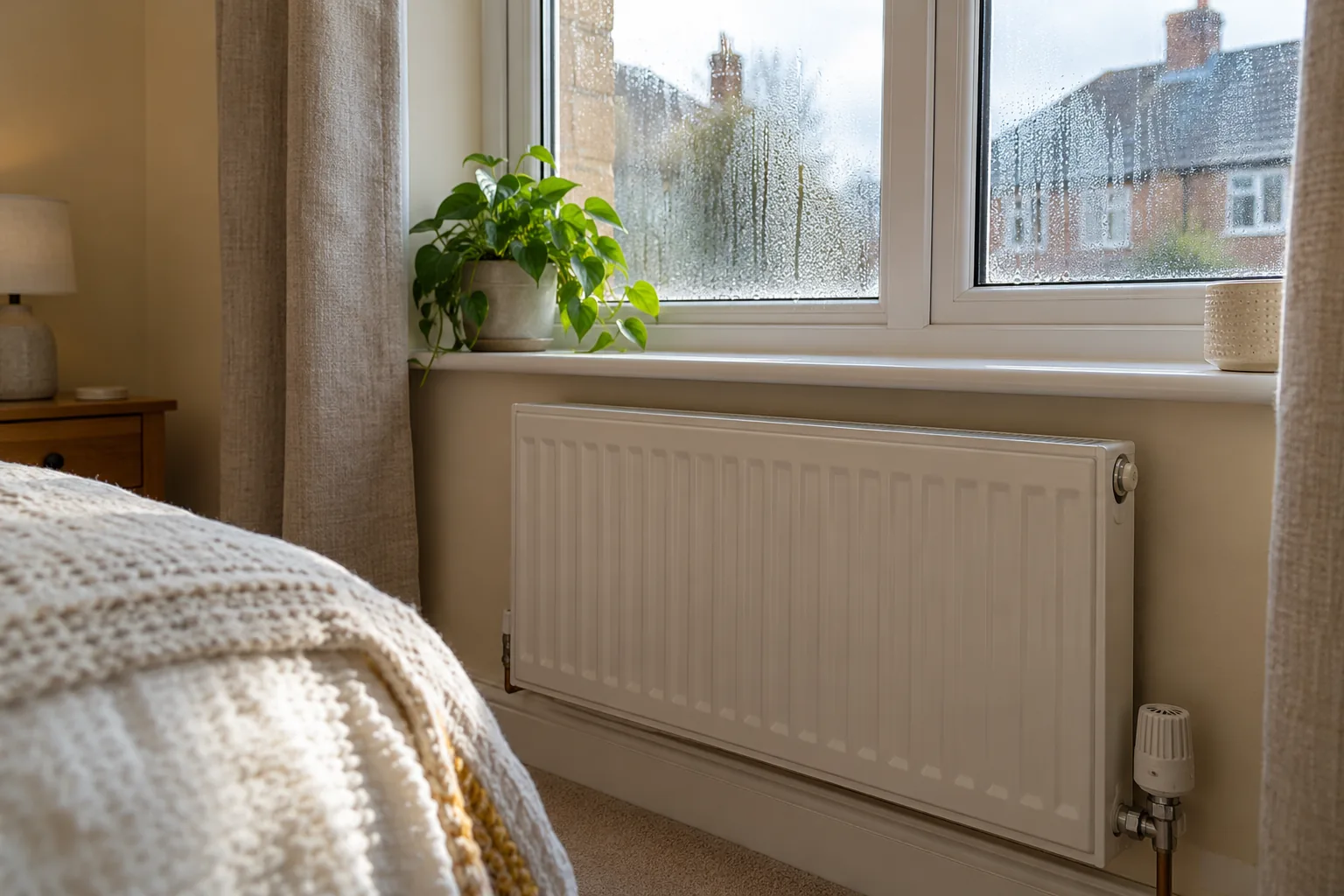
Discuss ordinary heating arrangements
Describe how the affected rooms are heated, whether doors are normally open and whether routines changed before the problem appeared. Differences between rooms can help explain questions about cold surfaces and moisture movement. They must be considered alongside ventilation and the property fabric. No universal heating timetable can be prescribed from a brief description. Practical recommendations need to reflect the findings and may require other professional input where equipment or building changes are involved. Ask why a suggested adjustment is relevant and how its effect should be observed rather than treating a broad household instruction as a diagnosis.

Review visible ventilation conditions
Grilles, window ventilation and extraction arrangements help frame the enquiry. Explain whether fans operate during room use, whether a grille appears obstructed and where moisture is generated. A visual check is different from confirmed airflow measurement or electrical testing; those need an established scope. If operation or adequacy of ventilation is the central question, a ventilation assessment may be useful. Installation, duct repair and electrical work should not be assumed to be included. Proposed changes must suit existing arrangements and require separately scoped contractor work where appropriate.
Consider movement between rooms
Cooking, bathing, drying activities and doors can affect questions about moisture movement. Explain ordinary use around the time wetness appears without reducing the enquiry to one habit. Layout and surfaces matter, and several factors can operate together. Recommendations should be specific enough to act on and explain which observation they address. If an adjustment cannot account for persistent local dampness, further enquiry may be appropriate. Do not assume a remaining mark will resolve through general room-use changes. A focused assessment should recognise where its explanation is incomplete and identify what additional evidence would be useful.
Recognise a different damp question
Persistent wetness, rainfall-related marks or patches near concealed services may need another enquiry. A damp inspection considers material and moisture patterns more broadly. Where unexplained wetting suggests a concealed route, hidden leak detection may need discussing. A recommendation should explain the unresolved question and why an additional check could help. It should not imply a confirmed leak or structural defect without evidence. Keep findings and access limits available for the next professional so they can understand observations rather than repeat an assumption without its original context.
Agree actions and a way to review change
Separate practical adjustments, further checks and contractor work. Ask which action is expected to influence the pattern and what should be recorded afterwards. Follow-up is more useful when it compares the same surfaces and ordinary room conditions rather than a general impression that things feel different. If growth is present, mould removal is a separate decision using material and moisture findings. Continued wetness or returning growth should prompt review of the pattern and completed actions. A one-time assessment cannot guarantee that rooms, weather or property conditions will remain unchanged in future.
Decisions to clarify before arranging work
| Pattern | Relevant discussion | Further question |
|---|---|---|
| Morning bedroom droplets | Overnight conditions | Is moisture limited to glass? |
| Moisture after bathing | Extraction and surfaces | Does wetness clear between uses? |
| Growth behind furniture | Air movement and wall position | Can the surface be accessed? |
| Wetness after rain | Junctions and external conditions | Could another source contribute? |
| Information | How it helps | Limit |
|---|---|---|
| Dated observations | Timing and recurrence | Does not measure material moisture |
| Humidity observation | Context for room conditions | One reading is a snapshot |
| Heating history | Relevant changes in use | Does not identify every defect |
| Ventilation review | Questions about moisture removal | Visual checks do not prove airflow |
Practical questions about this service
Why is one bedroom window wetter?
Room use, surface conditions and ventilation can differ. Describe both rooms and their ordinary use. The difference itself does not prove a defect or establish that one standard change will resolve the concern.
Can you use my humidity monitor records?
Records may help describe a pattern, but timing, position and device limitations matter. They need interpreting with surface and room conditions. A reading alone cannot confirm the cause or define a complete specification for work.
Does opening a window solve every case?
No single adjustment can be promised for every setting. Recommendations depend on the pattern, existing ventilation and property conditions. They should explain the intended effect and any remaining damp or water-entry question.
Will you install an extractor fan?
Installation, duct changes and electrical work are not assumed to be included. Assessment may indicate a need for ventilation review or contractor input. Confirm the scope of any subsequent work separately before arranging it.
Should mould be cleaned before investigation?
Describe the area and ask about preparation before altering it. Growth helps locate the recurring problem, while treatment needs assessment of material and moisture risk. Explain previous cleaning so the history remains available.
Information to prepare for the discussion
Describe the moisture cycle: identify which windows, walls or corners become wet and whether the pattern appears overnight, after bathing or cooking, or during colder weather. Explain how long droplets or dampness remain. A dated account of recurring conditions can be more useful than a single photograph.
Explain ordinary room use: describe heating patterns, existing ventilation arrangements and any practical restrictions on opening windows or moving furniture. Do not temporarily change every condition just before the visit without discussing preparation. The investigation should relate its observations to the way the affected room is normally occupied.
Agree what would resolve the uncertainty: ask whether the proposed checks address condensation conditions or whether another moisture source needs investigating. Any suggested measurement should have a stated purpose and limitation. Confirm how findings will guide a practical change, further assessment or treatment of existing growth before interpreting advice as a permanent solution.
Discuss the next step for your property
Call +44 20 3966 3944 with your Wembley postcode and the affected rooms. Ask what the proposed visit would examine, what can reasonably be established and which questions may remain. The scope and access requirements should be clear before arrangements are confirmed.
Photographs are generated illustrations. They do not depict verified company staff or completed customer work.