
WEMBLEY · HA0 & HA9
Condensation & Ventilation Assessment in Wembley
Review how moisture is generated, where it collects and how air leaves the property. An assessment should connect the condition of the affected rooms with the ventilation arrangements actually present.
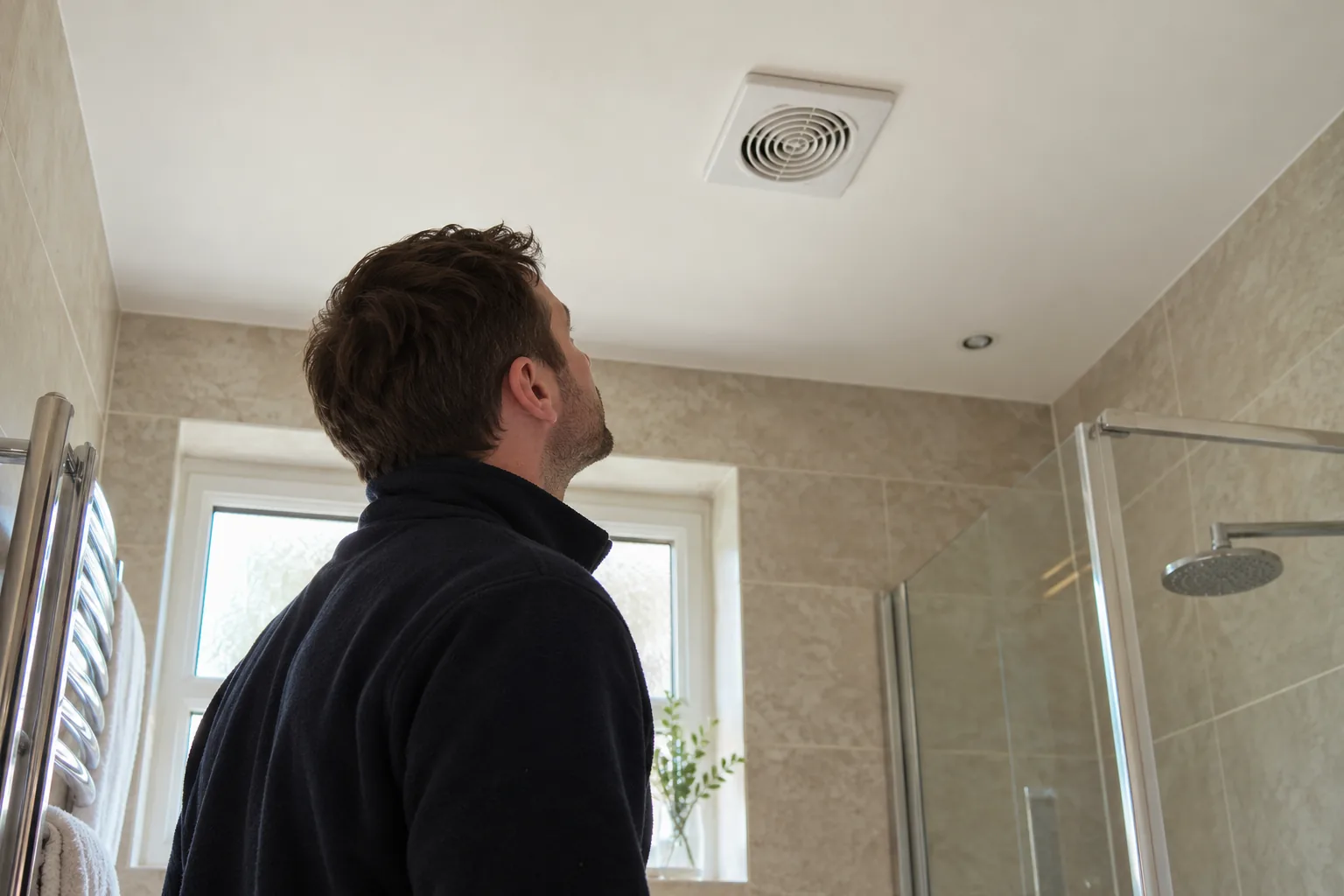
Can one bathroom fan explain mould elsewhere?
Not on its own. The assessment considers the affected rooms, their use and the available air paths. A fan in one room does not establish whether moisture is being removed effectively throughout the home.
Can I arrange an assessment in HA0 or HA9?
Yes. Describe your Wembley property, the rooms involved and any visible condensation when you call. Confirm access and the proposed assessment scope before booking.
Start with the rooms that stay wet
Tell us whether the concern is a bathroom that remains damp, kitchen moisture spreading into other rooms, bedroom window condensation or repeated mould in cold corners. Include when the issue appears and how long surfaces take to dry. An assessment is more useful when it follows a specific pattern rather than a general description that the house feels damp.
Explain any changes in occupancy, room use, heating or ventilation arrangements. These details do not prove a cause, but they help identify what should be reviewed. If a fan has stopped working or a grille appears blocked, mention it without removing electrical fittings. Access, scope and any proposed measurements should be agreed before the visit.
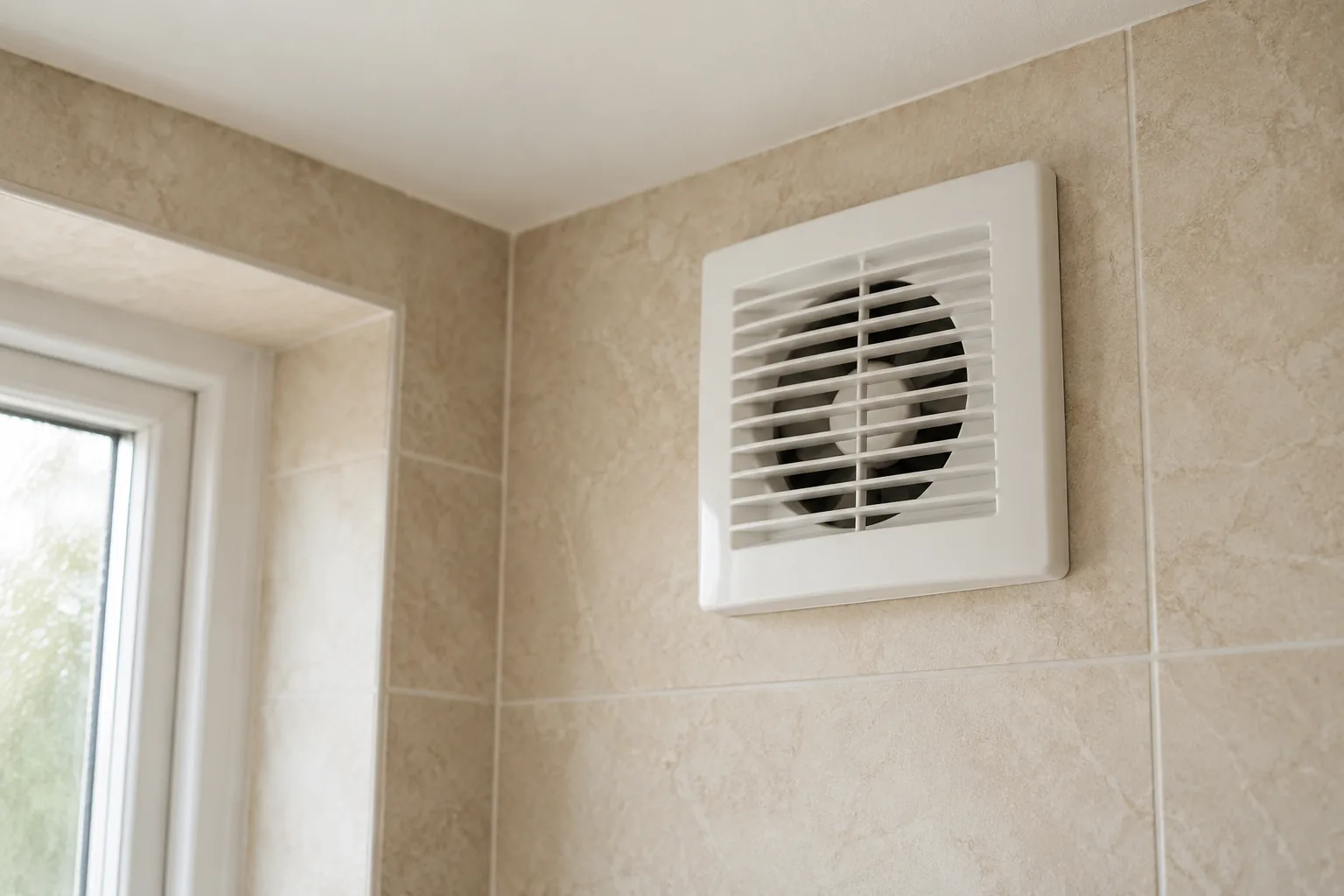
Understand moisture generation
The assessment should relate moisture to how rooms are used. Bathing, cooking and drying clothes can produce different short-term conditions from a persistent damp wall. Explain whether condensation follows those activities, occurs overnight or remains visible when the property has been empty. The timing helps distinguish a recurring use pattern from a concern needing a different investigation.
The aim is not to assign blame to the occupants. A usable recommendation needs to account for the building and normal household activity. Tell us if opening windows is restricted by security, noise or access, or if particular rooms cannot be heated in the same way. Proposed changes should be practical for the home, with limitations stated clearly.
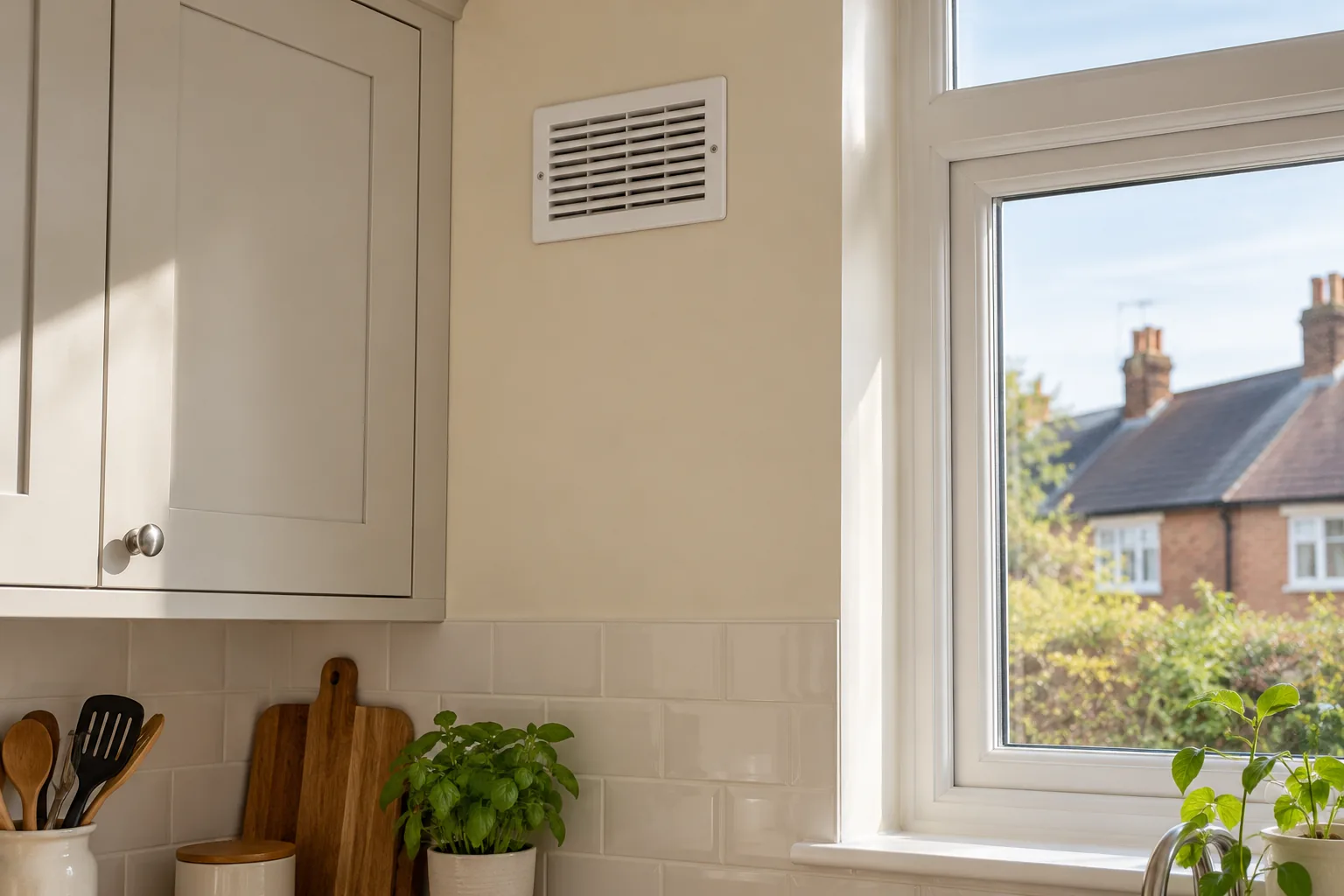
Review existing extractor fans
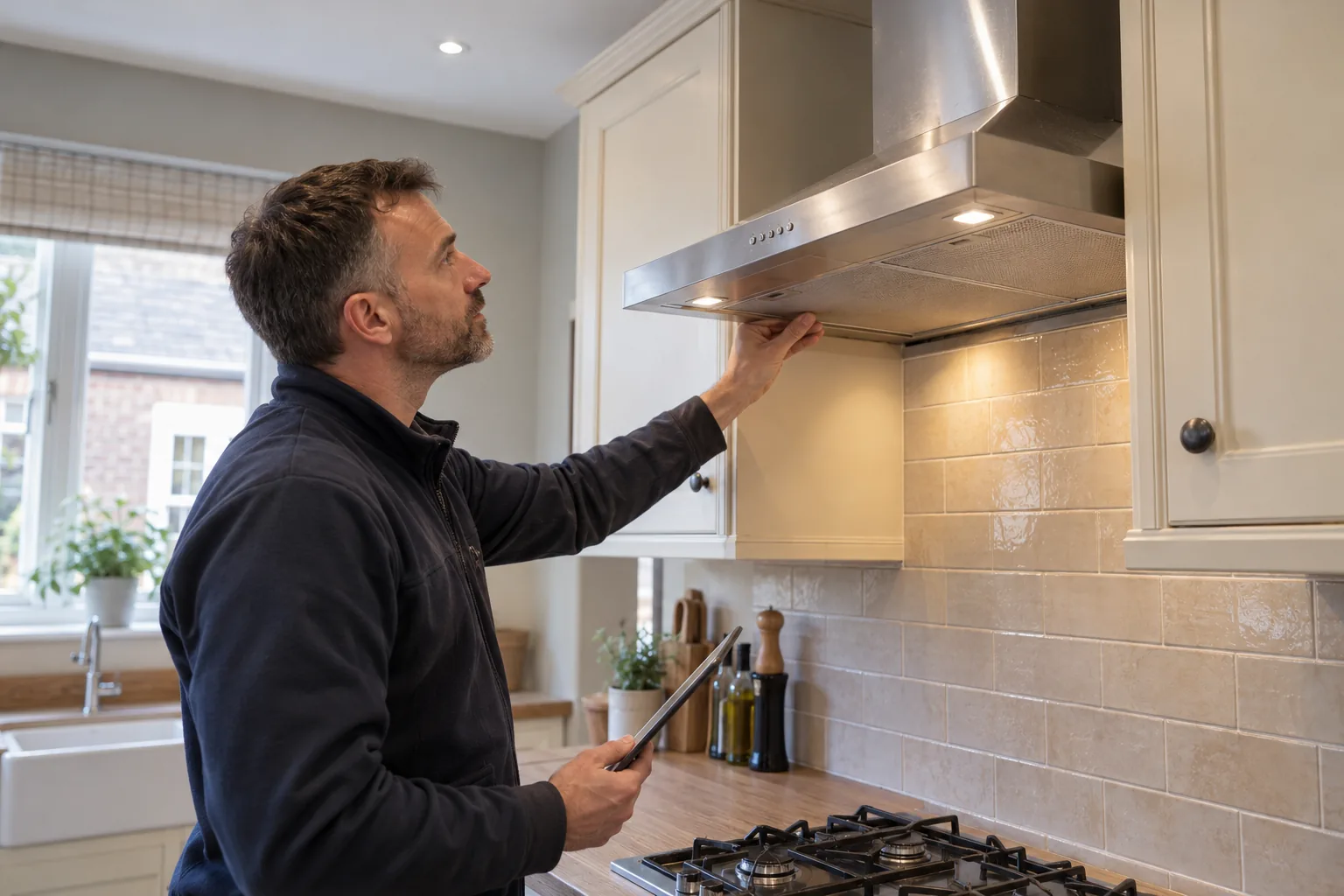
Bathroom and kitchen extraction should be considered in the context of the equipment installed and how it is used. Relevant questions include whether a fan operates, when it runs and whether it appears to discharge through an appropriate route. A visible grille alone does not confirm where air goes or how well the system performs.
Some parts may be concealed or inaccessible. Any functional testing, airflow measurement or examination beyond a visual review must be confirmed within the scope; it should not be assumed from the service title. Electrical faults and installation work may require a suitably qualified contractor. The assessment should explain the observation and its limits rather than describe a fan as adequate simply because it makes a noise.
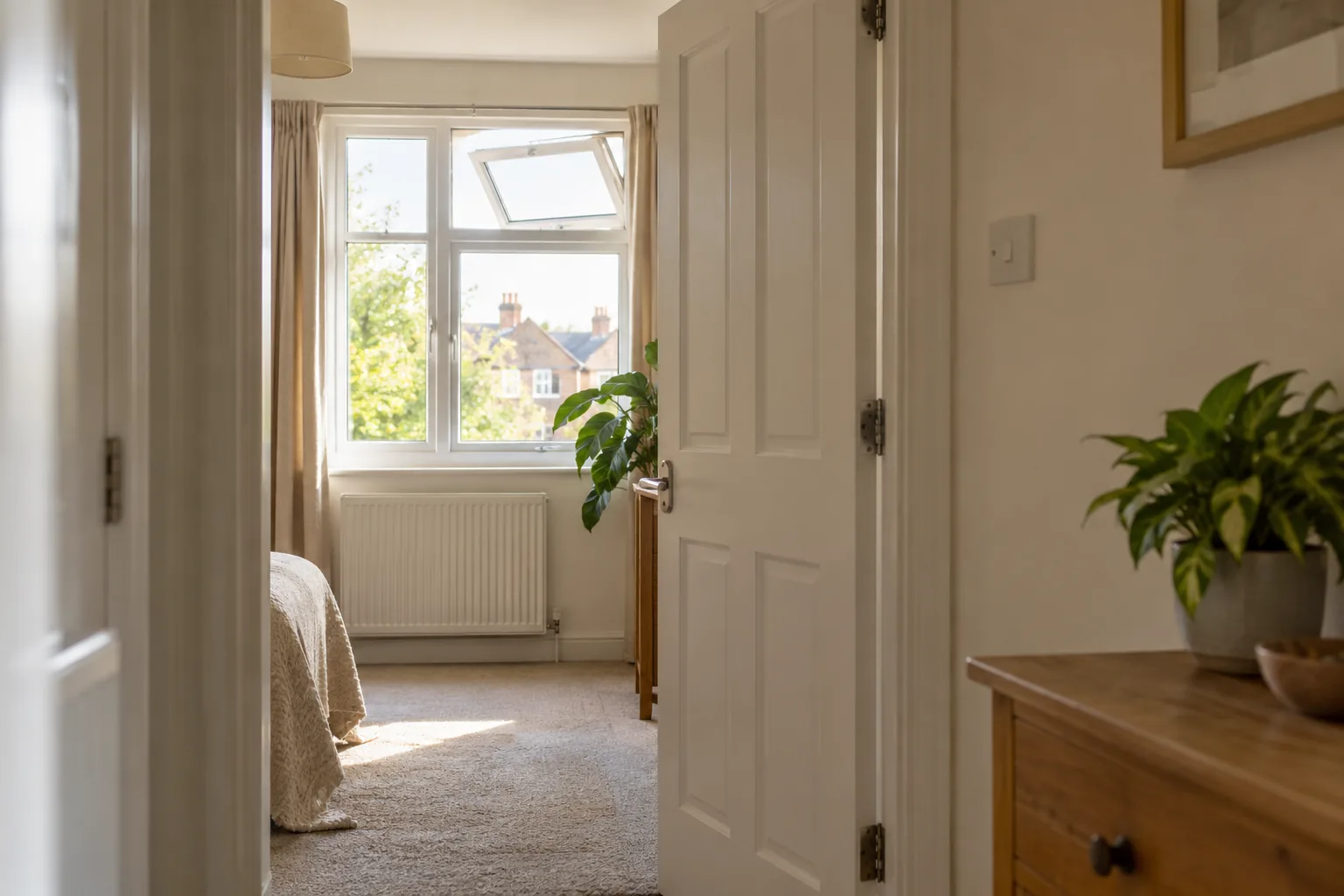
Follow the available air routes
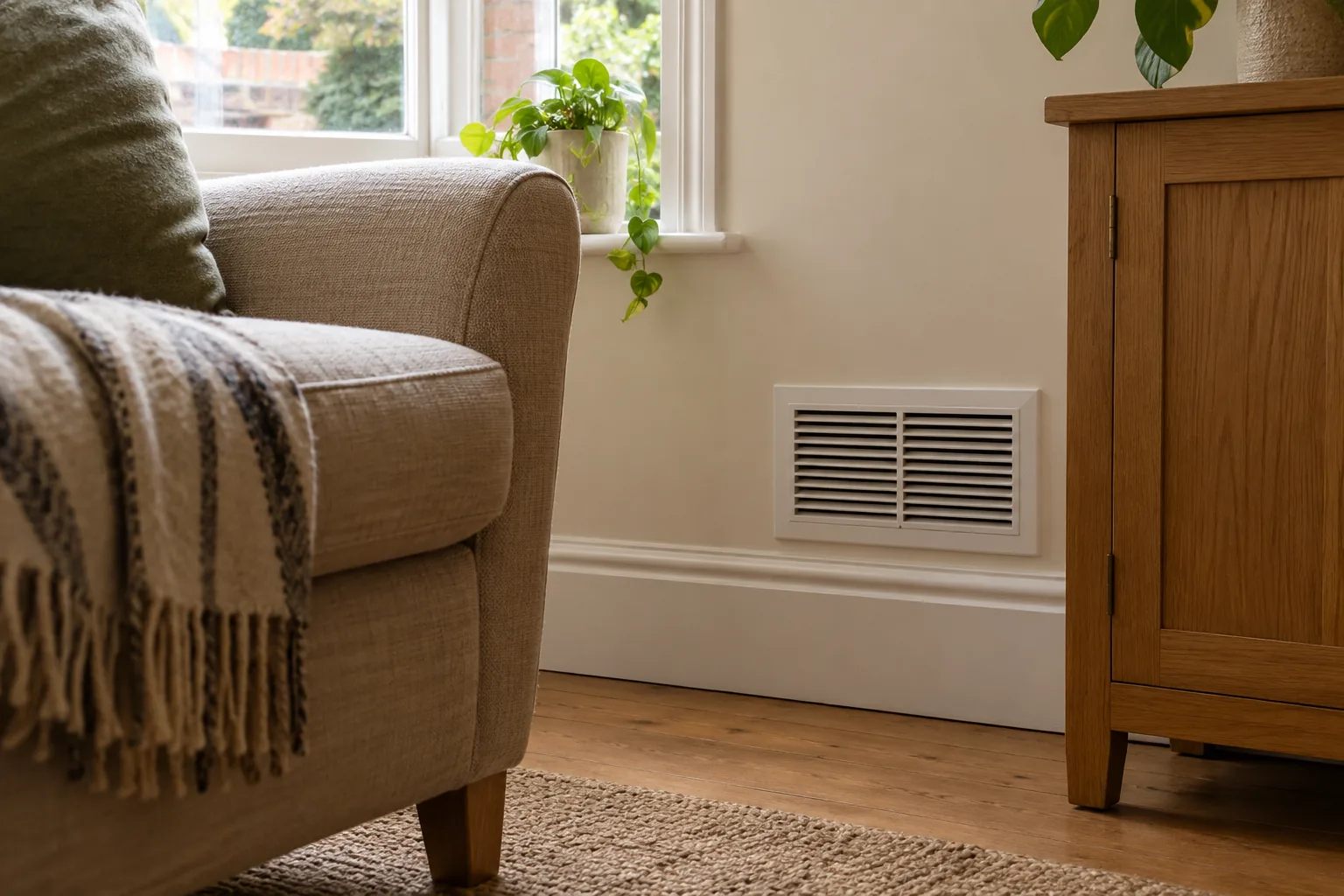
Air movement depends on routes into, through and out of the room. Doors, internal layouts, visible vents and closed-off spaces may all be relevant. The review should consider whether the affected area is connected to a useful ventilation route and whether furnishings or finishes obstruct an existing opening. A single visible defect may only explain part of the pattern.
Describe whether bedroom doors are normally open or closed and whether the problem is concentrated behind wardrobes or in a corner. Do not alter permanent ventilation arrangements just to prepare for a visit. The condition during normal use is important evidence. Any recommendation to change an opening, door arrangement or ventilation system needs to be suitable for the property and confirmed separately where installation work is involved.
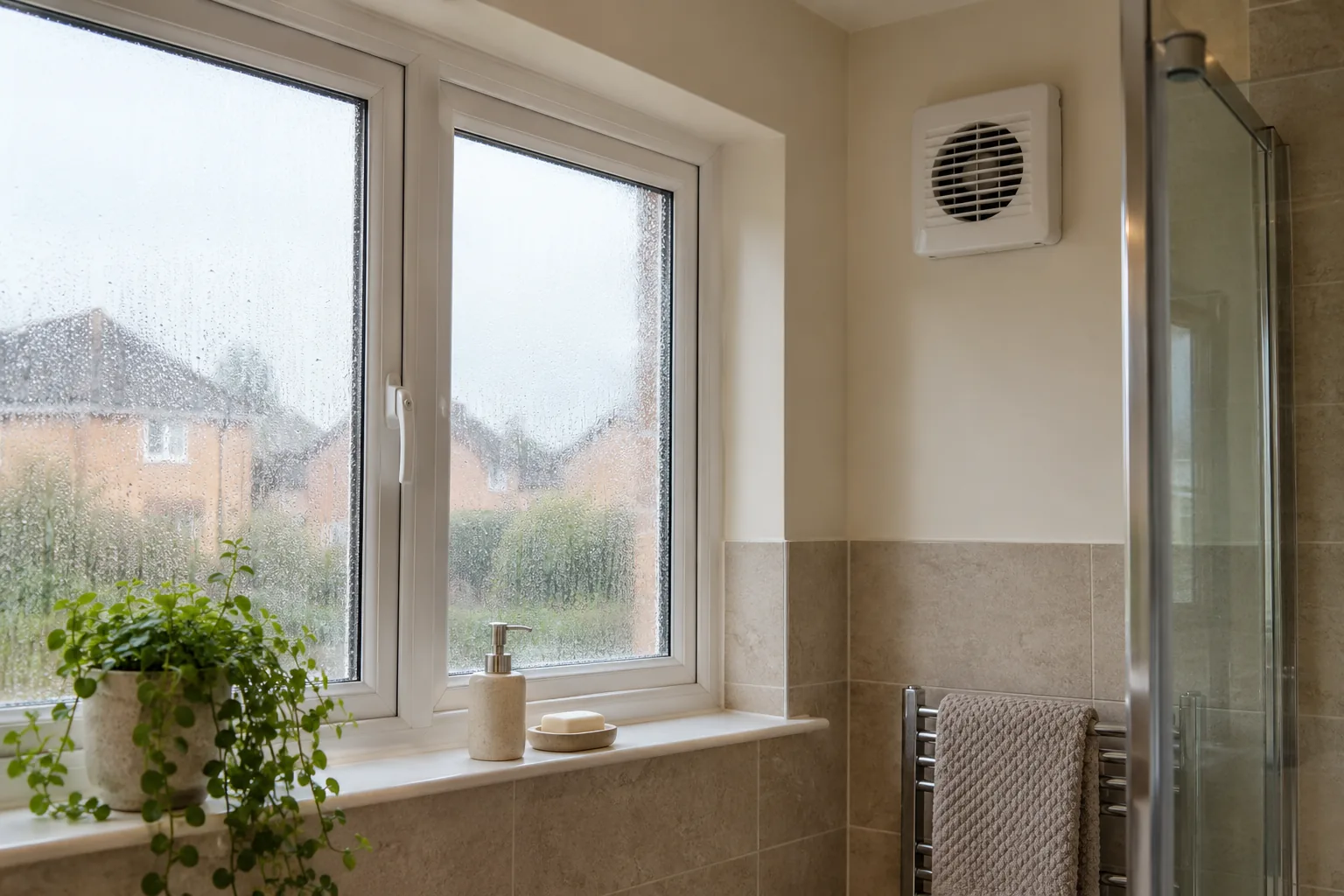
Consider humidity and cold surfaces together
Indoor moisture and surface temperature interact, so neither should be interpreted in isolation. A cold reveal can behave differently from the centre of a room. If measurements are proposed, the assessment should explain where they are taken, what the conditions were at the time and what can reasonably be inferred. One reading is a snapshot, not a complete record of everyday occupancy.
Heating patterns and weather can affect what is observed during a visit. Mention whether the problem is seasonal and whether it changes after rooms are heated. Where the evidence remains inconclusive, further observation may be more appropriate than a definite diagnosis. A separate condensation investigation may help explore a recurring pattern in more detail.
Separate condensation from other dampness
Water on a window does not mean every nearby mark has the same source. The assessment should notice where evidence does not fit the suspected condensation pattern: for example, an isolated patch following rain, a stain below a service route or material that remains wet between normal household activities. These observations can change the recommended next step.
An unexplained damp area may call for damp inspection or hidden leak detection rather than ventilation advice alone. The service should distinguish likely contributing conditions from a proven source. A ventilation recommendation should not be used to close an investigation when there is unresolved evidence of water entry.
Agree practical improvement options
Recommendations should connect an observed problem with a proposed change. Clearing an obstructed existing route, reviewing fan use and considering further ventilation design are different actions with different responsibilities. Ask which recommendation is an immediate household adjustment and which requires assessment or work by another contractor. No particular fan, system or installation is included unless expressly confirmed.
The usefulness of an option depends on whether it can be maintained in normal use. Discuss noise, access, control settings and the rooms that need attention. Where the building arrangement limits simple changes, the findings should say so. A recommendation is more useful when its purpose is explained, including what improvement should be observed and what would justify further investigation.
Understand the limits of the visit
A ventilation assessment does not automatically include opening ducts, electrical testing, system balancing or building repairs. The scope should identify accessible areas and any proposed checks before the visit. A concealed discharge route, inaccessible roof space or intermittent fault can limit conclusions even when the visible room conditions have been reviewed.
Ask how findings will be communicated and whether a written record is part of the agreed service. Photographs and measurements, if taken, should be interpreted alongside the conditions on the day. There is no basis for promising a fixed outcome from a brief description. The assessment should make uncertainty understandable and identify what evidence would be needed to reduce it.
Check what happens after changes
After a recommendation is implemented, note whether the original symptom changes: how long a room stays wet, whether droplets remain on the same window or whether mould returns in the same position. Comparing a specific symptom is more informative than deciding that the room feels generally better. Keep the timing and location of any recurrence clear.
If moisture persists, the next step may be review of the ventilation arrangement or a separate investigation of the affected material. Existing mould may need appropriate treatment after the relevant conditions have been considered. A reduction in condensation does not itself establish that a damaged finish has recovered or that all affected material can be retained.
What the assessment connects
| Observation | Useful context | Potential next step |
|---|---|---|
| Bathroom stays wet | Fan use, air routes and duration after bathing | Review extraction arrangements |
| Bedroom window droplets | Overnight use, heating and cold surfaces | Consider the condensation pattern |
| Isolated persistent wet patch | Weather, leak history and material condition | Investigate moisture separately |
Confirm the scope before booking
| Item | What to clarify | What is not automatic |
|---|---|---|
| Extractor checks | Visual review or agreed testing | Electrical repair or replacement |
| Airflow | Which routes or measurements are included | Whole-system design or balancing |
| Recommendations | How findings will be communicated | Installation work or a guaranteed result |
Keep the original concern in view: if the purpose of the visit is to understand a wet bathroom ceiling, ask how each proposed check helps answer that question. A recommendation to alter extraction should explain what was observed and what remains to be confirmed. If another person manages the property, discuss how the findings can be passed on accurately. Distinguish the observations made during the visit from work that is only recommended, and confirm who will arrange any subsequent assessment or installation.
Questions before arranging a visit
Does the service include fitting a new extractor fan?
Installation is not assumed to be included. The assessment may identify a reason to review extraction, but equipment selection and electrical or building work must be agreed with an appropriate contractor.
Will I need to change how I heat the home?
Heating patterns may be relevant to the observations, but recommendations should reflect your property and normal use. Explain any practical restrictions before decisions are made.
Can a fan be working but still need attention?
Yes. Operation alone does not establish the discharge route or performance. The appropriate checks depend on the equipment, access and agreed scope.
Should I open every window before the visit?
Describe normal conditions and ask about preparation. Changing the ventilation immediately before assessment may make the room less representative of its usual use.
What if the mould returns after ventilation changes?
Record its position and timing and discuss a review. Remaining moisture, cold surfaces or a separate source may require further investigation; existing affected material may also need treatment.
Discuss your property
Call +44 20 3966 3944 to describe the affected area and agree the next step. Enquiries are welcome from Wembley, HA0 and HA9. Photography is AI-generated illustration, not evidence of completed customer work.